Cinnamon Bark
A kitchen spice with a real research history around blood glucose — and a coumarin question the brand does not address.
Why Cinnamon Bark Is in MetaBurn
The brand's own description: Supports healthy blood sugar and metabolic efficiency.
A common culinary spice with a real but genuinely contested research record around blood glucose markers. It is one of the six ingredients shown in the MetaBurn formula section, and this page covers what it is, the research context, its role here and the cautions attached to it.
MetaBurn does not publish its ingredient amounts
All six ingredients are named, which is useful. What is not published anywhere is how much of each one a capsule contains.
That gap matters because effect depends on amount. The konjac glucomannan research the brand itself cites used 2–4 g daily. Cinnamon trials used grams. Curcumin from turmeric is famously poorly absorbed without an enhancer. Without figures, none of it can be compared to what is actually in the bottle, so no amounts appear anywhere on this website.
What Cinnamon Bark in MetaBurn Is
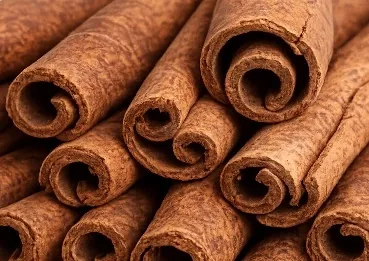
Cinnamon is the dried inner bark of trees in the Cinnamomum genus. Two types dominate commerce, and the distinction matters more than most people realise.
Ceylon cinnamon (C. verum, "true cinnamon") is lighter, milder and more expensive. Cassia cinnamon is darker, stronger and far more common — it is what most supermarket cinnamon and most supplements contain.
The difference is not just flavour. Cassia contains substantially more coumarin, a compound that can affect the liver at sustained high intakes. Ceylon contains only traces.
The brand does not state which type MetaBurn uses — a meaningful omission for a product it describes as designed for daily long-term use.
The Research Context Behind Cinnamon in MetaBurn
Cinnamon has one of the more substantial research records in this formula, and one of the more contested.
Trials have examined it for fasting blood glucose, post-meal glucose response, HbA1c and insulin sensitivity, mostly in people with type 2 diabetes or metabolic syndrome. Proposed mechanisms include slowed gastric emptying and effects on insulin signalling.
The brand cites an umbrella meta-analysis on cinnamon supplementation and anthropometric indices, summarised as suggesting cinnamon may significantly reduce body weight and BMI. That paper exists and reports what it reports.
The wider literature is genuinely mixed. Some pooled analyses report significant reductions in fasting glucose; others find no significant effect on HbA1c, and reviewers have repeatedly noted heterogeneity in cinnamon type, dose, duration and study quality. Doses across trials have ranged from about 1 g to 6 g daily.
The fair summary: cinnamon probably has a modest effect on some glucose markers in some people, the effect is not large, and the evidence is not settled.
Why Cinnamon Bark Is Included in MetaBurn
The brand describes it as supporting healthy blood sugar and metabolic efficiency, which is a reasonable and appropriately modest reading of the research.
It pairs with prickly pear on the same territory, and it is one of the two ingredients in this formula with a plausible route to the blood sugar support the product claims.
Cinnamon is also familiar, pleasant and trusted, which never hurts in a consumer supplement. The dose question applies here as everywhere: trials used grams, and a share of one capsule is not grams.
Responsible Expectations and Safety for Cinnamon in MetaBurn
Expect a modest contribution at most. Cinnamon as a spice on your food is inexpensive and enjoyable, and at supplement-blend quantities the difference between the two is smaller than the marketing implies.
Safety notes. Cinnamon as a culinary spice is very safe. Concentrated daily supplementation raises two considerations.
- Coumarin. Cassia cinnamon contains coumarin, which at sustained high intakes can affect the liver in susceptible people, and European authorities have set a tolerable daily intake for it. Since the brand does not state which type is used, this cannot be assessed — and it matters for a product intended for long-term daily use.
- Blood glucose. Because cinnamon may lower blood glucose, anyone taking diabetes medication should mention it to their doctor, since the effects can add together. Prickly pear in the same capsule shares this consideration.
Anyone with liver disease should be cautious, and cinnamon should be discontinued before surgery. Allergic reactions are uncommon but possible.
How to read the research on this MetaBurn page
The studies described here examined individual ingredients, usually on their own, at doses set by the researchers. That research provides scientific context for why an ingredient appears in a formula.
It does not demonstrate that the finished MetaBurn product produces the same outcomes. No clinical trial of this finished formula has been published, so nothing here should be read as product-level clinical evidence.
MetaBurn safety: the fibre point matters most
Konjac glucomannan expands dramatically on contact with liquid — that expansion is exactly how it produces fullness. Taken without enough water, it can swell in the throat or oesophagus, and there are documented cases of obstruction with glucomannan products.
Always take it with a full glass of water, and not immediately before lying down. Anyone with swallowing difficulty or a narrowing anywhere in the digestive tract should speak to a doctor first.
- Glucomannan can reduce absorption of oral medication, so separate it from any prescription by a few hours and check with a pharmacist.
- Cinnamon and prickly pear may both affect blood glucose, which matters if you take diabetes medication. Cassia cinnamon also contains coumarin, a liver consideration at higher intakes.
- Turmeric and resveratrol may both affect blood clotting and are worth mentioning if you take anticoagulants or have surgery planned. Turmeric can also aggravate gallbladder problems.
- Expect some digestive adjustment in the first week or two. Soluble fibre commonly causes bloating or wind while the gut adapts — which is worth knowing given the source promises the opposite.
Consult a healthcare professional before use if you are pregnant, nursing, taking medication or managing a health condition.
If your relationship with food or your body feels difficult
Products in this category sit close to a genuinely hard area of life, and this one is marketed with a great deal of emotional pressure around how you feel about your body.
If thinking about food, weight or your appearance is causing you distress, or eating patterns feel out of your control, a supplement is not the right tool and this website is not the right resource. Speaking to a GP or a qualified professional is worth far more. In the US, the National Alliance for Eating Disorders helpline is available on 1-866-662-1235.
Related MetaBurn Reading
The main ingredients page sets out how all six work together, and how MetaBurn works examines the brand's sixteen scientific citations, five of which are for ingredients not shown in the formula.
More MetaBurn Ingredients
Mangosteen
A tropical fruit whose rind is rich in xanthones, included by the brand for antioxidant support relating to metabolic health.
Fullness and appetiteKonjac Glucomannan
A soluble fibre from konjac root that absorbs water and expands in the stomach. The one ingredient here with an accepted regulatory health claim behind it.
Carbohydrate and fat handlingPrickly Pear
A cactus fruit and pad extract with a modest human research record around post-meal glucose and dietary fat handling.
Inflammation and balanceTurmeric
A rhizome whose active compound curcumin is among the most studied plant compounds in nutrition — and among the most poorly absorbed.
Make MetaBurn Part of Your Daily Routine
A plant-based capsule alongside the balanced eating, regular movement and decent sleep that do the real work in metabolic wellness. Six named ingredients, stimulant-free, and a 90-day money-back guarantee on every order.
From $47.50 per bottle · US shipping included · Bonus guides on 3 and 6-bottle orders